P0455 Code on Jeep Grand Cherokee: EVAP System Large Leak Detected
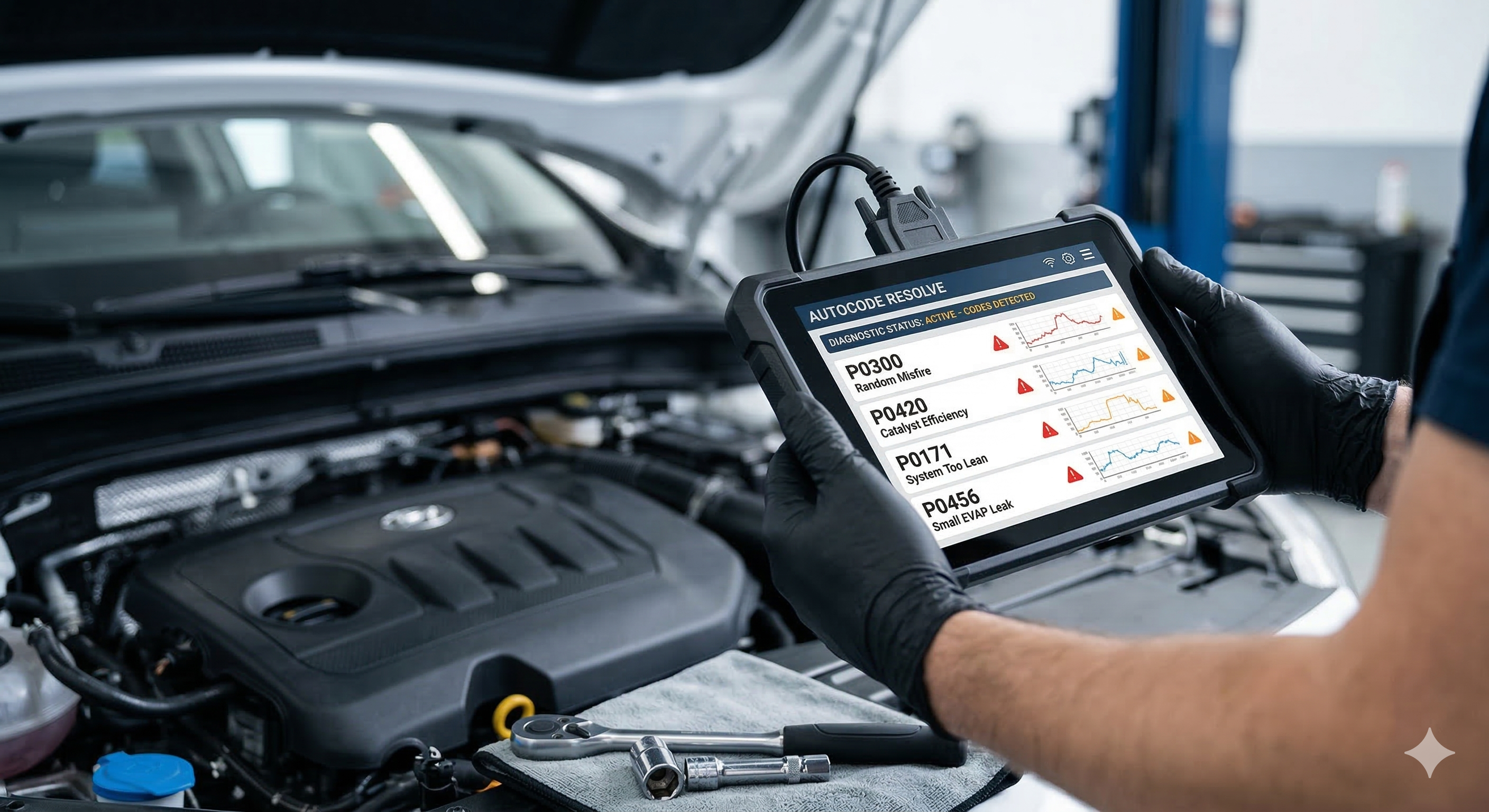
Quick Answer: What is P0455?
On a Jeep Grand Cherokee, the P0455 code means the engine computer has detected a massive leak in the Evaporative Emission Control (EVAP) system. In 70% of cases, this is simply caused by a loose or defective gas cap. If the cap is fine, the purge valve or vent solenoid is usually stuck open.
1. Common Symptoms in a Grand Cherokee
Unlike misfire codes that make the truck shake, EVAP codes are usually silent. You will likely only notice:
- Check Engine Light: Illuminates solidly on the dashboard.
- "Check Gas Cap" Message: Newer Jeep models will display this warning on the digital cluster before or during the Check Engine Light.
- Faint Fuel Odor: You might smell raw gasoline when walking around the rear of the vehicle.
- Slightly Reduced Gas Mileage: Fuel vapors are escaping into the atmosphere instead of being burned by the engine.
2. Most Likely Causes (Ranked by Probability)
The EVAP system is complex, but "Large Leaks" narrow down the culprits significantly on Jeeps:
- Loose or Bad Gas Cap (70% of cases): The rubber O-ring seal on the gas cap dries out, cracks, or someone simply forgot to click it tight after getting gas.
- Stuck Purge Valve (15% of cases): Located under the hood, this valve controls fuel vapor flow to the engine. If it gets stuck open, the computer sees a massive leak.
- Faulty Vent Solenoid (10% of cases): Located near the gas tank in the back. Dirt and moisture easily destroy this valve on Grand Cherokees.
- Cracked EVAP Hoses (5% of cases): Plastic tubes running under the Jeep can crack due to age or off-road damage.
3. Step-by-Step Diagnostic and Fix
Step A: The Gas Cap Check (Free Fix)
Do not buy any parts yet. Go to your gas cap, remove it, and inspect the rubber seal. If it looks dry-rotted or cracked, replace it (buy an OEM Mopar cap, aftermarket caps often don't seal right on Jeeps). If it looks fine, put it back on, make sure it clicks at least three times, clear the code with your scanner, and drive for a few days to see if it returns.
Step B: Test the Purge Valve
Open the hood and locate the EVAP Purge Valve (usually near the intake manifold). Disconnect the electrical connector and the hoses. Try to blow air through it with your mouth. A good purge valve is "Normally Closed" and should block all air. If you can blow air right through it, it's stuck open and must be replaced.
4. Estimated Repair Costs
Most EVAP repairs are very affordable, especially if you do them yourself:
| Repair Type | Estimated Cost (USD) |
|---|---|
| Tighten Gas Cap | $0.00 (Free) |
| Replace Gas Cap (OEM) | $15 - $30 |
| Replace EVAP Purge Valve | $40 - $80 (Part only) |
| Smoke Test & Leak Repair (Mechanic) | $150 - $300 |